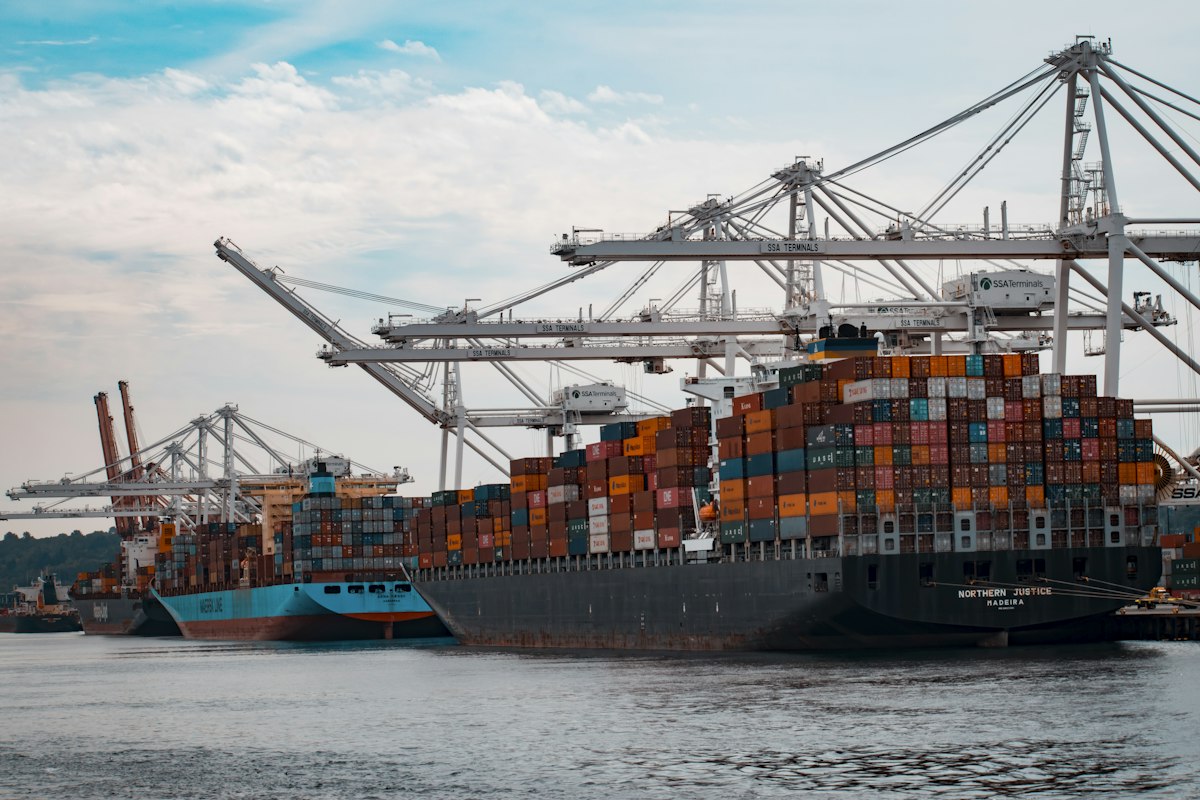
Mumbai remains India's largest and most complex customs gateway, handling a significant share of the country's containerized cargo, bulk imports, and air freight. In April 2026, Mumbai Customs has issued and implemented multiple trade-facilitating and compliance-driven measures, particularly in response to global maritime disruptions caused by the Middle East conflict and closure of the Strait of Hormuz.
Mumbai Customs is actively implementing CBIC Circular No. 21/2026-Customs (dated 15 April 2026), which provides procedural relief for export containers returned to India after being offloaded or diverted at foreign ports due to global route disruptions.
Key Provisions Applicable at JNPT and Mumbai Port
- No Bill of Entry required for returned export containers if:
- Customs / RFID seals are intact
- Shipping Bill details match declared documents
- Supplementary Arrival Manifest (SAM) must be filed by the shipping line or authorised agent
- Shipping Bills and Let Export Orders (LEO) can be cancelled digitally through ICEGATE
- Back-to-Town (BTT) permission allowed where exports cannot be completed
- Relief measures are valid till 30 April 2026
Back-to-Town (BTT) Facility Simplified at Nhava Sheva
Mumbai Customs has issued port-specific Public Notices detailing procedures for export cargo returning to Nhava Sheva where EGM has not been filed.
Operational Highlights:
- Self-sealed containers with intact e-seals are eligible for BTT without 100% examination
- BTT permission granted by jurisdictional Assistant / Deputy Commissioner
- For CFS-located containers, limited lot inspection is permitted instead of full examination
Mandatory Body-Worn Cameras (BWCs) at CFS's
Effective 1 April 2026, Mumbai Customs has made Body-Worn Cameras mandatory during:
- Physical examination of import cargo
- Cargo inspection at all CFSs under JNPT jurisdiction
Objectives:
- Improve transparency during examinations
- Reduce disputes and post-clearance litigation
- Create a digital audit trail for customs assessments
International Transhipment Allowed During Disruptions
Under CBIC Circular No. 15/2026-Customs, Mumbai Customs is permitting international transhipment of both FCL and LCL cargo from:
- JNPT
- Mumbai Seaport
- Mumbai Air Cargo Complex
Transhipment via other Indian customs stations is also allowed, subject to approval by a designated Nodal Officer.
SCMTR Compliance Strictly Enforced
Sea Cargo Manifest and Transhipment Regulations (SCMTR), 2018 continue to be strictly enforced at Mumbai customs formations.
Key Reminder for Stakeholders:
- Error-free SAM filing is critical
- Incorrect or delayed manifests are leading to:
- Clearance delays
- Assessment holds
- Operational escalation at terminals
Shipping lines and agents should strengthen manifest validation processes.
Recent Public Notices — Mumbai Customs (April 2026)
Mumbai Customs issued several operational public notices, including:
- Cancellation of LUT / Bond / Bank Guarantee for EPCG and DEEC cases
- Suspension of approval of a Customs Cargo Service Provider
- Jurisdiction rationalisation across Nhava Sheva Commissionerates
These measures indicate tighter compliance monitoring alongside trade facilitation.
What Trade Stakeholders Should Do Now
Immediate Actions (Before 30 April 2026):
- Identify returned export containers
- Ensure SAM filing by shipping lines
- Cancel Shipping Bill / LEO where required
- Use BTT facility to avoid port congestion